Why More Patients Are Choosing Liposuction in Michigan
@simonjagd686
October 21, 2026 · 15 min read

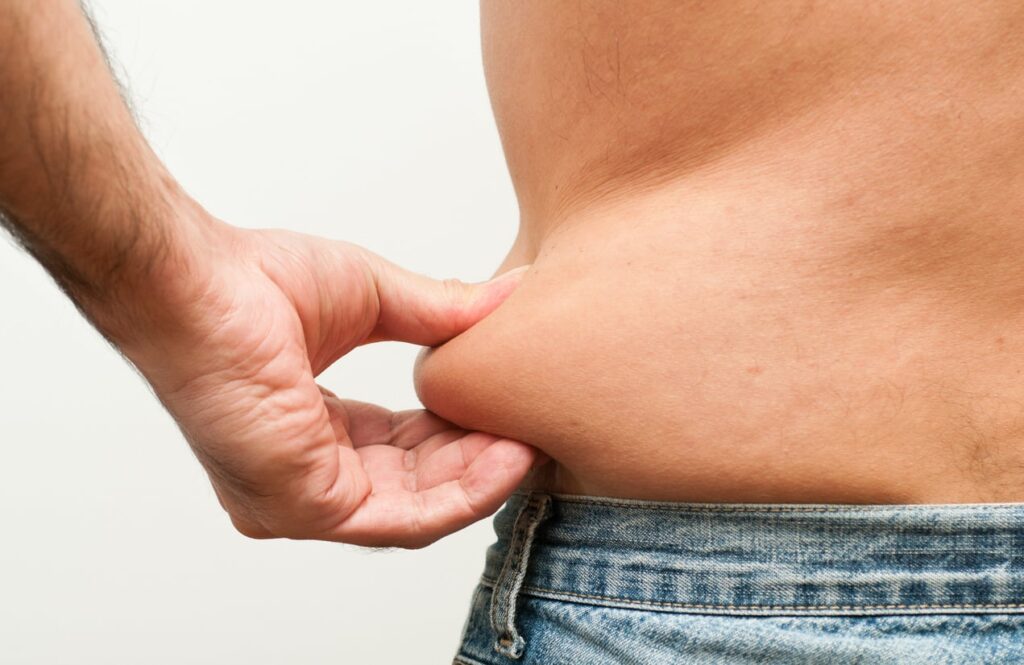
Interest in body contouring tends to rise and fall with culture, fashion, and social visibility, but one thing has stayed consistent in clinical practice: patients want results that look believable on their own frame. That helps explain why more people are exploring liposuction in Michigan. They are not necessarily chasing a dramatic transformation. More often, they want targeted improvement in areas that have resisted disciplined effort for years.
In conversations with patients, the pattern is familiar. Someone has maintained a steady weight, worked out regularly, and cleaned up their diet, yet still feels frustrated by fullness under the chin, along the lower abdomen, at the flanks, or around the outer thighs. Another patient may be in the months or years after pregnancy and feel that their body shape changed in ways that exercise alone has not corrected. A third may have lost a significant amount of weight and reached a healthier place overall, but now wants better definition and proportion.
Liposuction fits that space well because it is not a general weight-loss procedure. It is a contouring tool. When performed on the right patient, with realistic planning and sound technique, it can sharpen a silhouette in ways that are difficult to duplicate through lifestyle changes alone.
Michigan has seen growing interest for practical reasons as much as aesthetic ones. Patients here are doing research, comparing options carefully, and asking more sophisticated questions than they did even a decade ago. They want to understand downtime, safety, candidacy, and whether the result will actually suit their lifestyle. That shift matters. Better-informed patients tend to make better decisions, and liposuction tends to go best when the decision is measured rather than impulsive.
What patients are really asking for
Despite the popularity of the term, most people do not come in asking for “liposuction” in the abstract. They come in talking about a problem area. They pinch the lower abdomen and say, “This never goes away.” They mention a jawline that seems softer in photos than it appears in the mirror. They explain that clothes fit in one area but pull awkwardly in another.
That distinction is important because it changes the consultation. A good consultation is not simply about whether fat can be removed. It is about whether removal will improve proportion, whether the skin will redrape well, whether the patient’s goals are anatomically realistic, and whether another procedure or a combination approach might produce a stronger result.
In Michigan practices, the most common treatment areas tend to be the abdomen, flanks, inner and outer thighs, back, upper arms, and submental area under the chin. Men often ask about the midsection and chest contour. Women frequently focus on the waist, bra line, thighs, and lower abdomen. The details vary, but the underlying motivation is usually less about size and more about shape.
That is one reason liposuction continues to appeal to patients across age groups. A person in their early 30s may want refinement after pregnancy. Someone in their late 40s or 50s may be dealing with hormonally influenced changes in fat distribution. Older patients may still be excellent candidates if their health is good and skin quality is decent. There is no single “typical” age, and that has widened the patient base considerably.
Why Michigan patients are paying closer attention now
Several local factors are making body contouring a more common consideration.
First, patients in Michigan often experience strong seasonal shifts in routines. Winters can mean heavier clothing, lower day-to-day activity for some people, and less body visibility. By spring, many start reassessing how they feel in fitted clothes, summer wear, or professional attire. That does not mean the interest is superficial. It simply means there is a natural cycle to when people notice and act on long-standing concerns.
Second, remote and hybrid work changed how many patients think about recovery. When commuting five days a week was nonnegotiable, some delayed surgery for years because downtime felt impossible to manage. Now, patients with scheduling flexibility may be more willing to undergo a procedure that requires a brief recovery period. They can often return to desk work sooner than they could in the past, especially if they can work from home for a few days while swelling and soreness improve.
Third, patients are better educated than before. They have seen enough overdone results online to understand that good cosmetic surgery is usually subtle. Many now specifically request contouring that looks athletic, balanced, and age-appropriate rather than aggressively sculpted. That maturity in aesthetic judgment has benefited liposuction because the procedure performs best when the goal is refinement, not reinvention.
Fourth, there is a growing awareness that body contouring can be individualized. Modern liposuction is not one-size-fits-all. Technique, depth of treatment, volume removal, compression strategy, and aftercare all matter. A patient who once assumed liposuction was blunt or extreme may now learn that a smaller, thoughtfully planned treatment can address the exact issue that has bothered them for years.
The difference between weight loss and contouring
One of the most useful clarifications in any consultation is this: liposuction is not a shortcut around healthy habits. It is also not a treatment for obesity. Patients who do best usually understand this from the start.
Fat cells in certain areas can be stubborn. Even at a stable and healthy weight, someone may carry a pocket of Liposuction Michigan fullness that does not respond much to calorie control or exercise. The lower abdomen is a classic example. So are the flanks and outer thighs. When these areas create imbalance, liposuction can reduce volume selectively and improve proportion.
The strongest candidates are often already doing many things right. They are active, weight-stable, and generally close to their target weight. They are looking for contour improvement measured in inches and shape, not a major shift on the scale. That expectation is healthy because it aligns with what the procedure actually does.
Patients sometimes need to hear the other side too. If someone has substantial skin laxity, especially after pregnancy or major weight loss, liposuction alone may leave them disappointed. Removing volume without addressing loose skin can flatten one problem while highlighting another. In those cases, a tummy tuck, body lift, or energy-based skin tightening plan may make more sense. Good surgical judgment often means saying no to liposuction alone.
What makes someone a good candidate
The candidacy discussion should feel specific, not generic. Body contouring is highly dependent on tissue quality, baseline anatomy, and postoperative discipline.
A strong candidate for liposuction in Michigan usually has several of the following traits:
- stable weight for at least several months
- localized fat deposits that have not responded well to diet and exercise
- reasonable skin elasticity in the treatment area
- good overall health, including no uncontrolled medical issues
- realistic expectations about recovery and results
These points sound simple, but they carry a lot of nuance. Stable weight matters because significant gain after surgery can blur the result. Skin elasticity matters because the body needs to contract after volume removal. Overall health matters because even elective surgery places real demands on healing.
Smoking status also matters more than many patients realize. Nicotine can impair circulation and healing, and surgeons may require cessation before proceeding. Medications and supplements matter too. Blood thinners, some anti-inflammatory drugs, and certain herbal products can increase bruising or bleeding risk. A serious preoperative review is not red tape. It is part of keeping the procedure as safe and predictable as possible.
The appeal of more tailored results
One reason liposuction has become more attractive is that patients are no longer just thinking in broad zones like “stomach” or “thighs.” They are thinking in transitions and contours. They want the waist to flow more cleanly into the hip. They want the area under the chin to match the rest of the face. They want the bra line to lie flatter under clothing. These are subtle distinctions, but they are where satisfaction often lives.
That shift has improved the consultation process. Instead of asking how much fat can be removed, patients are asking how the result will look in motion, in clothing, and six months later. Those are better questions. A technically successful liposuction case is not merely one where fat was removed. It is one where the treated area looks smooth, proportional, and coherent with the rest of the body.
This is also where restraint matters. Over-resection can produce irregularity, hollowness, or an operated look, especially as the patient ages. The best results often come from a conservative, sculptural mindset. Remove enough to change the contour, but not so much that the body loses softness where softness belongs.
Recovery is more manageable than many expect, but it is still real surgery
Patients often approach liposuction with one of two misconceptions. Some assume it is almost as minor as an in-office cosmetic treatment. Others imagine weeks of severe incapacity. Reality usually sits in the middle.
Most patients feel sore, swollen, and bruised for the first one to two weeks. Many describe the sensation as intense muscle soreness combined with tenderness and tightness. Compression garments are commonly part of the recovery plan, and while they can be inconvenient, they help support tissues and manage swelling. Walking is encouraged early, but strenuous exercise usually has to wait until the surgeon clears it.
For a desk-based job, some people return within a few days to a week, depending on the extent of treatment and whether they can work comfortably in compression. Jobs that involve lifting, long hours on foot, or significant physical activity may require more time away. Swelling is the longest part of recovery. Patients often feel much better before they look “finished,” and that can test patience.
The broad rhythm usually looks something like this:
- first week: soreness, swelling, bruising, fluid shifts, limited activity
- weeks two to four: improving comfort, ongoing swelling, gradual return to routine
- one to three months: visible contour improvement becomes clearer
- three to six months: refinement continues as residual swelling settles
That timeline varies by treatment area, volume removed, individual healing patterns, and whether other procedures were performed at the same time. It is one reason experienced surgeons spend time setting expectations. A patient who expects instant final results is more likely to feel unsettled during the normal healing process.
Why trust and judgment matter more than trendiness
Patients shopping for liposuction often compare photos, pricing, online reviews, and social media presence. Those are understandable starting points, but they are not enough. The quality of the decision often depends on what happens in the consultation room.
A good surgeon should be able to explain candidly whether liposuction is appropriate, where it will help, where it will not, and what trade-offs come with treatment. They should also be comfortable discussing limitations. For example, if abdominal fullness is partly due to muscle separation after pregnancy or to intra-abdominal fat, liposuction may improve the surface layer but not fully address the contour concern. That is not a failure of the procedure. It is simply anatomy.
Patients in Michigan are increasingly savvy about this. They are less impressed by marketing language and more interested in communication, consistency, and case selection. That is a healthy development. Cosmetic surgery should never rely on sales momentum. It should rest on diagnosis, planning, and informed consent.
The consultation should also cover safety in practical terms. Where will the procedure be performed? What type of anesthesia is planned? Who is monitoring the patient? How is postoperative care handled if swelling, asymmetry concerns, or a delayed healing issue comes up? These details are not glamorous, but they are central to patient experience and outcome.
Cost enters the conversation, but it is rarely the only reason patients decide
Liposuction is an elective expense, and patients understandably Liposuction Michigan ask about cost early. Pricing varies depending on the number of areas treated, surgeon experience, anesthesia fees, facility fees, and whether the case is straightforward or more complex. In Michigan, as in most regions, there is a meaningful difference between bargain pricing and value.
The lowest quote is not automatically a smart choice. Revision surgery is far more expensive, physically and emotionally, than choosing carefully the first time. Uneven contour, under-correction, over-correction, scar concerns from access points, and prolonged swelling can all affect satisfaction. Patients who focus only on the upfront number may overlook the importance of expertise, support, and follow-through.
At the same time, cost should be discussed transparently. A professional practice should explain what is included, what recovery supplies may be needed, and whether there are additional charges for postoperative visits or garments. Clarity helps patients plan responsibly and reduces the pressure that can lead to rushed decisions.
Social visibility has changed patient behavior
People do not make aesthetic decisions in a vacuum. Photos, video calls, social media, and event culture all shape body awareness. That does not automatically make the decision shallow. Often it simply brings long-standing frustrations into sharper focus.
A patient who sees themselves daily on video may become more aware of fullness under the chin. Someone who is in a wedding, returning to dating, or stepping into a public-facing professional role may decide they are ready to address a contour issue they have put off for years. Those milestones can be the tipping point, but they are rarely the whole reason.
What has changed most is that patients are more open about the process. A decade or two ago, many wanted cosmetic surgery to remain entirely private. Some still do, of course. But many now talk with friends, family, or colleagues who have had injectables, skin treatments, breast surgery, or body contouring. That familiarity lowers the barrier to seeking information.
The role of combination procedures
Some patients considering liposuction in Michigan are also evaluating whether to combine it with another procedure. This can make sense when anatomy supports it and when the recovery burden remains reasonable. Liposuction is commonly paired with abdominoplasty, breast procedures, or limited skin tightening strategies to improve overall balance.
Combination surgery is not always the right answer, though. Longer operative time, broader recovery, and increased planning complexity all matter. A staged approach may be safer or more strategic for some patients, especially if they are uncertain about goals or have a demanding schedule. This is where individualized planning matters more than efficiency.
A thoughtful surgeon will weigh whether combining procedures genuinely serves the patient or simply sounds appealing on paper. Sometimes the best choice is to address the main concern first, let the body heal, and revisit secondary refinements later.
The best outcomes usually come from realistic expectations
Patient satisfaction often depends less on perfection than on alignment between goals and likely outcome. The happiest liposuction patients are not usually the ones expecting a whole new body. They are the ones who want a specific, plausible improvement and understand how that change fits into the larger picture of fitness, aging, and self-image.
A strong result can mean jeans fit better through the waist. It can mean a jawline appears cleaner in profile. It can mean a patient no longer fixates on one area every time they get dressed. Those changes may sound modest in language, but they can be meaningful in everyday life.
There is also value in understanding what liposuction does not do. It does not solve body image struggles rooted far beyond anatomy. It does not stop aging. It does not replace exercise. It does not guarantee symmetry to the millimeter, because human bodies are not built that way to begin with. Patients who grasp those truths tend to appreciate their results more fully and judge them more fairly.
Why the trend is likely to continue
The rise in demand for liposuction in Michigan reflects more than a passing cosmetic trend. It reflects a better public understanding of what the procedure can and cannot accomplish. It reflects more individualized expectations. It reflects the practical reality that many adults maintain healthy habits and still have areas that bother them.
It also reflects a broader shift in how patients approach elective care. They are doing their homework. They want thoughtful planning, not pressure. They care about results, but they also care about safety, communication, and whether the recommendation actually fits their body.
That is a positive sign for the field. Liposuction has always had a role in aesthetic surgery, but it works best when it is chosen for the right reasons and applied with precision. More Michigan patients seem to understand that now. They are not just asking, “Can this area be smaller?” They are asking, “Will this improve my overall shape in a natural, lasting way?” That is a smarter question, and it is one reason the procedure continues to earn their attention.
Aesthetic Plastic Surgery & Laser Center, Michelle Hardaway M.D.
27920 Orchard Lake Rd, Farmington Hills, MI 48334, United States
+1 248-221-1957
FAQ About Liposuction Michigan
Is 55 too old for liposuction?
Age 55 alone does not determine suitability. A surgeon evaluates overall health, skin quality, healing risks, and realistic goals. A personal consultation is needed to assess candidacy and discuss alternatives.
What happens 10 years after liposuction?
Contour improvements can last, especially with stable weight. Aging, pregnancy, and weight changes can alter the appearance over time. Results vary, and liposuction does not prevent future body changes.
Can lipo get rid of an apron belly?
Liposuction reduces localized fat but does not remove hanging excess skin. An apron belly may require assessment for a skin-removal procedure instead of, or alongside, fat removal. A qualified plastic surgeon can explain appropriate options and their risks.